
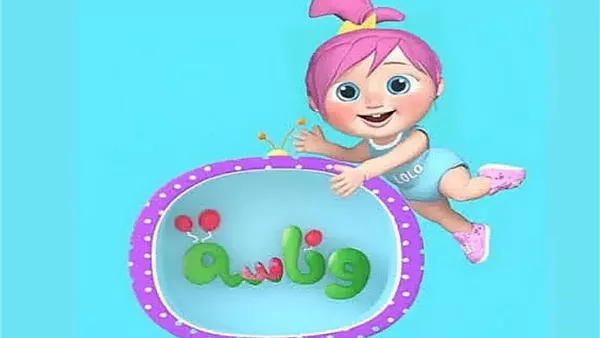



Wanasah Kids TV, also known as Wanasah Baby, is a leading Saudi Arabian children’s channel renowned for its engaging, educational, and entertaining material tailored for children aged 2 to 12.
Launched to provide a safe and enriching viewing experience, the channel features a vibrant mix of animated series, educational songs, and interactive programs, with popular characters like Lolo captivating young audiences.
Its focus on teaching values such as respect, hygiene, and creativity, alongside skills like letters and numbers, has made it a favorite among Arab families.
As a free-to-air channel, Wanasah Kids TV is accessible via major satellites and streams live on platforms like www.youtube.com/@WanasahTV.
This guide details the latest frequencies for Wanasah Kids TV on satellites as of June 2026, offers a step-by-step adjustment process, provides tips for strong reception, and highlights its beloved programming.
Why Watch Wanasah Kids TV?
-
Educational and Fun: Programs like Lolo’s Adventures teach children letters, numbers, and moral values through engaging songs and stories.
-
Safe material: Violence-free, family-friendly shows make it a trusted choice for parents across the Arab world.
-
Cultural Relevance: material in Arabic reflects local values, fostering cultural pride and connection.
-
Free-to-Air entry: Available without membership on major satellites and online platforms like YouTube.
-
High-clarity Viewing: Broadcasts in HD and SD, ensuring compatibility with various receivers for sharp visuals and sound.
Wanasah Kids TV Satellite Frequencies
To tune into Wanasah Kids TV, you need precise frequency, orientation, symbol rate, and FEC (Forward Error Correction) settings for your satellite receiver.
The table below lists the latest frequencies for Wanasah Kids TV on key satellites as of June 2026, sourced from reliable platforms like www.lyngsat.com, www.satfrq.com, and www.dostor.org.
As a free-to-air channel, no decryption is required. Always verify frequencies with these sources, as relay settings may change periodically.
|
Satellite |
Frequency |
orientation |
Symbol Rate |
FEC |
range |
Details |
|---|---|---|---|---|---|---|
|
Nilesat 201/Eutelsat 7 West A (7.0° W) |
11470 MHz |
Vertical (V) |
27500 kS/s |
5/6 |
Middle East, North Africa |
HD, DVB-S, strong signal in Saudi Arabia, Egypt, UAE. Named Wanasah Kids HD. |
|
Arabsat Badr 4/8 (26.0° E) |
11270 MHz |
Horizontal (H) |
27500 kS/s |
3/4 |
Middle East, North Africa |
HD, DVB-S2, reliable in Qatar, Jordan, Kuwait. Named Wanasah Kids HD. |
Key Information
-
Satellite range: Wanasah Kids TV primarily broadcasts on Nilesat and Arabsat (Badr). No confirmed frequencies are available on Hot Bird (13.0° E), Yahsat (52.5° E), or AlcomSat-1 (24.8° W) as of June 2026.
-
Frequency Accuracy: Avoid outdated frequencies like 11430 MHz (Horizontal, FEC 5/6) on Nilesat, which may no longer be active for Wanasah Kids TV. The table above provides the most reliable settings.
-
Global entry: Signals may weaken outside MENA (e.g., Asia or the Americas). Stream live on www.youtube.com/@WanasahTV for worldwide entry.
-
Free-to-Air Status: Wanasah Kids TV is unencrypted, requiring no membership, ensuring accessibility within satellite footprints.
Tips for Strong Reception
To enjoy Wanasah Kids TV with sharp, uninterrupted viewing, follow these practical tips for optimal satellite reception:
-
antenna Size: Use a 60-80 cm antenna for Nilesat and Arabsat in MENA (e.g., Riyadh, Cairo, Dubai). In fringe areas (e.g., southern Europe for Nilesat), a 90-120 cm antenna enhances signal strength.
-
Precise antenna positioning: Point your antenna to Nilesat (7.0° W) or Arabsat (26.0° E) using a satellite finder or apps like DishPointer or SatFinder. Ensure no obstructions (e.g., trees, buildings) block the signal.
-
LNB Selection: Install a Universal Ku-band LNB (9.75/10.6 GHz) compatible with DVB-S for Nilesat and DVB-S2 for Arabsat HD broadcasts. Verify compatibility with your receiver.
-
Signal clarity: Aim for 70% or higher signal clarity (98% is optimal) on your receiver’s signal meter to prevent pixelation. Adjust LNB skew for peak efficiency.
-
Weather Protection: Ku-band signals may weaken during heavy rain or storms. Secure your antenna and check LNB caps for water damage to maintain signal stability.
-
range Check: Confirm your location is within the satellite’s coverage using range maps on www.dishpointer.com or www.satbeams.com.
adjustment Wanasah Kids TV on Your Receiver
Adding Wanasah Kids TV to your satellite receiver is straightforward with these steps, compatible with most receivers (e.g., Strong, Humax, Starsat), though menu labels may vary slightly.
-
entry the Menu:
-
Press “Menu” or “Settings” on your remote.
-
Navigate to “Installation,” “Channel Search,” or “Antenna Setup.”
-
-
Select Manual Scan:
-
Choose “Manual Scan,” “Manual Installation,” or “Add relay.”
-
Select “Add TP” or “Edit relay” if prompted.
-
-
Choose Your Satellite:
-
Select Nilesat (7.0° W) or Arabsat (Badr 4/8, 26.0° E) from the satellite list.
-
If not listed, manually enter the orbital position.
-
-
Enter relay Settings:
-
Refer to the frequency table above and input the settings for your chosen satellite (e.g., 11470 MHz, Vertical, 27500 kS/s, 5/6 for Nilesat).
-
Double-check entries for accuracy.
-
-
Run the Scan:
-
Press “Scan,” “Search,” or “OK” to start the scan.
-
Select “FTA Only” or “All Channels” to include free-to-air channels.
-
Wait 1-3 minutes for the scan to complete.
-
-
Save Channels:
-
Press “Save” or “OK” to store the scanned channels.
-
Wanasah Kids TV will appear as “Wanasah Kids HD” or “Wanasah Baby” in your channel list.
-
-
Fine-Tune for Strong Signal:
-
If the signal is weak or the channel is missing, adjust the antenna’s azimuth and elevation while monitoring the signal meter.
-
Check LNB skew and cables for 70-98% signal strength.
-
-
Test the Broadcast:
-
Locate Wanasah Kids TV in your channel list and select it to confirm sharp playback.
-
If issues persist, recheck settings or consult a professional installer.
-
Receiver Tips:
-
For Strong receivers (e.g., SRT 4950), enable “LNB Power” in the “relay” menu.
-
For Humax or Starsat, set LNB to “Universal” for Ku-band.
-
Default PINs (e.g., 0000, 1234) may be required; refer to your manual.
Wanasah Kids TV’s Beloved Programming
Wanasah Kids TV offers a diverse lineup of programs that blend education and entertainment, captivating children with vibrant visuals and catchy songs. Key highlights include:
Top Programs
-
Lolo’s Adventures: A fan-favorite animated series featuring Lolo, a cheerful character teaching kids about hygiene, respect, and problem-solving through fun stories.
-
Educational Songs: Catchy anthems like “Mama Jabat Bebe” and “Ya Lolo Ya Shatora” teach letters, numbers, colors, and positive behaviors.
-
SpongeBob SquarePants: Popular dubbed cartoons entertain while reinforcing moral lessons.
-
Interactive Shows: Competitions and games that encourage creativity and critical thinking.
-
Tom and Jerry: Classic animated series for lighthearted fun, appealing to all ages.
material divisions
-
Educational: Programs teaching pre-academic skills like letters, numbers, and basic Arabic.
-
Entertainment: Cartoons and animated series like Lolo’s Adventures and SpongeBob for fun viewing.
-
Cultural: material promoting Arab values and positive social behaviors.
-
Interactive: Shows and songs encouraging kids to sing along and engage.






Thanks for the update 👍 but some channels disappear after a few days… is that normal or should I rescan?